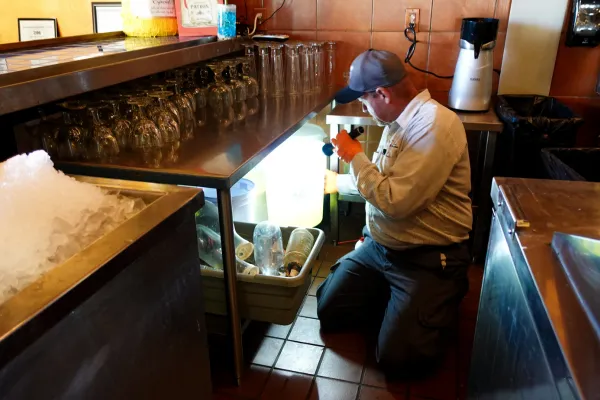
Commercial Pest Control Houston: Restaurant IPM Checklist
Commercial Pest Control in Houston: The Ultimate IPM Checklist for Restaurants
In the vibrant, competitive culinary landscape of Houston, your reputation is everything. From the sizzle of a Tex-Mex grill to the refined plates of a Downtown bistro, Houstonians expect excellence. However, nothing destroys a restaurant’s reputation faster than a pest sighting. In our humid, subtropical climate, pests like cockroaches, rodents, and flies aren't just a nuisance—they are a year-round threat to your bottom line and your health inspection scores.
Maintaining a pest-free environment requires more than just reactive spraying; it requires a proactive strategy known as Integrated Pest Management (IPM). For business owners seeking commercial pest control in Houston, understanding IPM is the key to long-term success. This approach focuses on prevention, sanitation, and exclusion to stop infestations before they start.
In this guide, we provide a comprehensive IPM checklist tailored specifically for Houston restaurants to help you stay compliant, safe, and open for business.
What is Integrated Pest Management (IPM)?
Before diving into the checklist, it is important to understand what makes IPM different from traditional extermination. Traditional methods often rely heavily on the routine application of pesticides. While chemicals have their place, IPM is a holistic, science-based approach.
IPM prioritizes "low-impact" solutions. It involves inspecting the facility, identifying the specific pests present, and using a combination of sanitation, structural repairs, and targeted treatments. For a restaurant, this means fewer chemicals near food preparation areas and a much more effective way to manage the unique pest pressures found in Southeast Texas.
Why Houston Restaurants Face Unique Challenges
Houston's heat and high humidity create a breeding ground for pests. The American Cockroach (often called the palmetto bug) and the German Cockroach thrive in our climate. Additionally, our proximity to the Gulf and heavy seasonal rains can drive rodents and ants indoors in search of high ground and food.
The Essential IPM Checklist for Houston Restaurants
1. Exterior Exclusion (The First Line of Defense)
Your first goal is to ensure pests can’t get inside in the first place. Large commercial kitchens have many points of entry that are often overlooked.
Seal Gaps and Cracks: Use silicone-based caulk or expandable foam to seal openings around utility pipes, vents, and cables.
Door Sweeps: Install heavy-duty door sweeps on all exterior doors, especially rear delivery entrances. If you can see light under the door, a mouse can get in.
Window Screens: Ensure all windows have tight-fitting 16-mesh screens to keep out flies and mosquitoes.
Dumpster Management: Keep dumpsters at least 50 feet away from the building if possible. Ensure lids remain closed and the area is power-washed weekly to remove grease and food debris.
A professional pest control technician inspecting the exterior brickwork and door seals of a modern Houston restaurant facade.
2. Rigorous Interior Sanitation
Pests enter your restaurant for two reasons: food and water. If you eliminate the sources, they cannot survive.
The "Clean-Under" Rule: Pest activity often happens where human eyes don't go. Ensure staff cleans under heavy appliances, prep tables, and refrigeration units daily.
Drain Maintenance: Fruit flies breed in the "sludge" that builds up in floor drains. Use an enzymatic cleaner to break down organic matter in drains weekly.
Dry Storage Organization: Store all dry goods at least six inches off the floor and two inches away from walls on wire shelving. This allows for easy inspection and removes hiding spots.
Nightly Deep Clean: Never leave dirty dishes in the sink or standing water on the floor overnight. Houston’s humidity means water doesn't evaporate quickly, providing a 24-hour watering hole for roaches.
3. Proper Waste Management
Trash is a five-star buffet for rodents and flies.
Liners and Lids: Use high-quality liners and ensure all interior trash cans have tight-fitting lids.
Frequent Pickups: Don't let trash sit in the kitchen overnight. Empty all bins into the exterior dumpster before the final "lock-up" shift ends.
Recycling Rinse: Always rinse glass and plastic containers before putting them in recycling bins, as soda and beer residue are major attractants for ants and flies.
4. Incoming Shipment Inspection
Many infestations, particularly German Cockroaches, are actually "hitchhikers" brought in on delivery pallets or inside corrugated cardboard boxes.
The Loading Dock Check: Inspect every delivery. Look for droppings, egg cases, or live insects among the produce and dry goods.
Break Down Cardboard: Cardboard is a preferred nesting site for pests. Break it down and move it to the outdoor recycling bin immediately after unpacking.
A kitchen manager wearing a clean uniform inspecting a wooden pallet of fresh produce for signs of pests in a well-lit storage area.
Managing Specific Houston Pests
The German Cockroach
Rodents (Rats and Mice)
In urban Houston areas, Roof Rats and House Mice are common. They can chew through wires, causing fire hazards, and contaminate food surfaces. For restaurants, we prioritize non-toxic trapping and exclusion over-reliance on rodenticides, which can pose a risk in food environments.
Flies and Fruit Flies
Flies are more than a nuisance; they carry pathogens like E. coli and Salmonella. In addition to sanitation, we recommend the use of Ultraviolet (UV) light traps placed strategically away from food prep areas to draw flies away from the customers.
How Accutrol Pest Management Supports Houston Restaurateurs
At Accutrol Pest Management, we understand that a "one-size-fits-all" approach doesn't work for the diverse food service industry in Houston. Our commercial pest control in Houston focuses on building a partnership with your team.
We provide detailed documentation after every visit. These reports are invaluable during health inspections, proving to the city that you are taking proactive, professional steps to ensure food safety. We don't just spray and leave; we identify the "why" behind a pest problem and help you fix it permanently.
A commercial pest control professional pointing at a digital tablet while explaining a service report to a restaurant owner in a clean professional kitchen.
The Financial Impact of Proactive Pest Management
While some owners see pest control as a "line item" expense, it is actually an investment in risk management. Consider the costs associated with a pest problem:
1. Lost Inventory: Contaminated food must be thrown away.
2. Fines and Closures: The Houston Health Department can issue hefty fines or even shut your doors for "imminent health hazards."
3. Social Media Damage: One viral photo of a roach on a plate can take years to recover from.
By following an IPM checklist and partnering with a local expert, you protect your brand and ensure that your guests' only memories are of your fantastic food.
Conclusion: Stay Ahead of the Pests
Running a restaurant in Houston is hard enough without worrying about uninvited guests in your kitchen. By implementing a strict IPM checklist—focusing on exclusion, sanitation, and professional monitoring—you create an environment where pests simply cannot thrive.
Remember, the best time to handle a pest problem is before it starts. Consistent daily habits by your staff, combined with the expert oversight of commercial pest control in Houston, will keep your restaurant compliant and your customers coming back for more.
